Hepatitis / Cirrhosis
Hepatitis / Cirrhosis
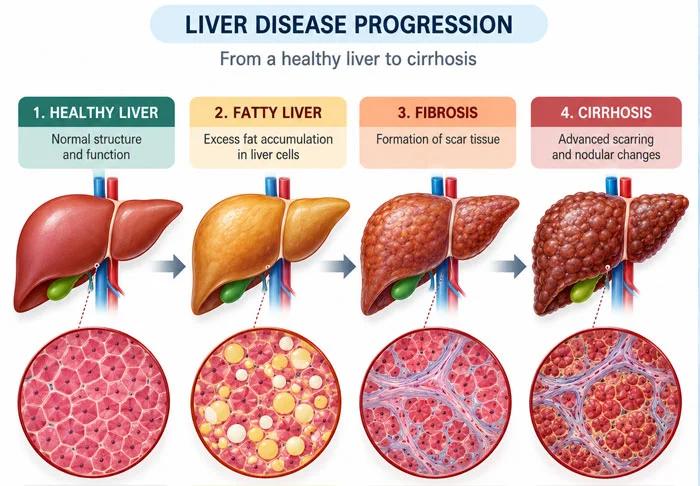
Hepatitis means inflammation of the liver, while cirrhosis is a condition in which long-standing liver injury leads to permanent scarring and distortion of the normal liver structure. Different diseases can cause chronic liver inflammation and progressive fibrosis.
Chronic liver disease may remain without obvious symptoms for many years. As liver damage progresses, patients may develop jaundice, abdominal swelling, fluid accumulation, gastrointestinal bleeding, confusion, or other complications.
Early identification of the underlying cause is important because appropriate treatment can slow or prevent further liver damage and reduce the risk of complications.
Major Causes of Hepatitis and Cirrhosis
Viral Hepatitis
Viral hepatitis is caused by viruses that infect the liver. Hepatitis B and hepatitis C are important causes of chronic hepatitis and can lead to progressive fibrosis, cirrhosis, and liver cancer in some patients.
Evaluation may include viral markers, viral load testing, liver function tests, and assessment of liver fibrosis. Appropriate antiviral treatment can help control or eliminate certain chronic viral infections and reduce the risk of liver-related complications.
Alcoholic Liver Disease
Alcohol-related liver disease can develop after prolonged excessive alcohol consumption. It may progress through fatty liver, alcohol-associated hepatitis, fibrosis, and eventually cirrhosis.
Complete avoidance of alcohol is an important part of management. Patients may also require nutritional support, treatment of alcohol-associated hepatitis when appropriate, and monitoring for complications of advanced liver disease.
Wilson Disease
Wilson disease is an inherited disorder in which the body accumulates excessive copper. Copper can build up in the liver and other organs and may cause hepatitis, fibrosis, cirrhosis, or acute liver failure.
Diagnosis may involve ceruloplasmin, serum and urine copper measurements, eye examination, genetic testing, and liver assessment. Treatment aims to reduce copper accumulation and prevent further organ damage.
Autoimmune Hepatitis
Autoimmune hepatitis occurs when the immune system mistakenly attacks liver cells, resulting in ongoing inflammation. If untreated, it may progress to significant fibrosis and cirrhosis.
Evaluation may include autoantibody testing, immunoglobulin levels, liver function tests, imaging, and sometimes liver biopsy. Treatment generally focuses on controlling the abnormal immune response and preventing progressive liver damage.
NAFLD / Metabolic Fatty Liver Disease
Non-alcoholic fatty liver disease (NAFLD), increasingly referred to as metabolic dysfunction-associated steatotic liver disease (MASLD), is associated with metabolic risk factors such as obesity, diabetes, high cholesterol, and insulin resistance.
Some patients develop inflammation and progressive fibrosis, which can eventually lead to cirrhosis. Management includes weight management, regular physical activity, control of diabetes and cholesterol, and treatment of associated metabolic conditions.
Other and Cryptogenic Causes
Liver inflammation and cirrhosis can also result from medications, inherited metabolic disorders, cholestatic liver diseases, vascular disorders, infections, genetic conditions, and other less common diseases.
In some patients, despite detailed investigation, the exact cause of chronic liver disease cannot be identified. Such cases may be described as cryptogenic cirrhosis.
Common Symptoms
- Fatigue: Persistent tiredness and reduced energy.
- Loss of Appetite: Reduced appetite, nausea, or early fullness.
- Abdominal Discomfort: Pain or heaviness, particularly in the upper abdomen.
- Jaundice: Yellowing of the skin and eyes due to increased bilirubin.
- Itching: Generalized itching may occur in certain liver and biliary disorders.
- Abdominal Swelling: Ascites may develop in advanced liver disease.
- Leg Swelling: Fluid retention may cause swelling of the feet and ankles.
- Easy Bruising: Advanced liver disease can affect normal blood clotting.
- Confusion or Drowsiness: Hepatic encephalopathy may occur in advanced cirrhosis.
Diagnosis and Liver Assessment
Diagnosis begins with a detailed medical history, physical examination, and blood investigations. Tests may include liver function tests, complete blood count, kidney function, clotting profile, viral hepatitis markers, autoimmune tests, and metabolic investigations.
Imaging such as ultrasound, FibroScan, CT scan, or MRI may be used to assess liver structure, fatty changes, fibrosis, blood vessels, and complications of cirrhosis.
In selected patients, a liver biopsy may be recommended when the diagnosis or degree of liver injury cannot be adequately determined through other investigations.
Assessment of Liver Fibrosis
Determining the amount of liver fibrosis is an important part of chronic liver disease evaluation. Non-invasive methods such as FibroScan and blood-based fibrosis scores may help assess the degree of scarring and monitor disease progression.
Complications of Cirrhosis
Advanced cirrhosis can affect several organs and body systems. Possible complications include:
- Ascites: Accumulation of fluid within the abdomen.
- Portal Hypertension: Increased pressure in the portal venous system.
- Varices: Enlarged veins in the esophagus or stomach that may bleed.
- Hepatic Encephalopathy: Changes in concentration, behavior, or consciousness due to liver dysfunction.
- Jaundice: Increasing bilirubin levels caused by impaired liver function.
- Hepatorenal Dysfunction: Advanced liver disease can affect kidney function.
- Liver Cancer: Cirrhosis increases the risk of hepatocellular carcinoma.
Treatment
Treatment depends on the underlying cause, severity of liver damage, and presence of complications. Management may include antiviral medicines, alcohol cessation, metabolic risk-factor management, immunosuppressive treatment for autoimmune hepatitis, copper-lowering therapy for Wilson disease, and treatment of specific liver conditions.
Patients with cirrhosis may require treatment for complications such as ascites, portal hypertension, varices, hepatic encephalopathy, and nutritional deficiencies.
Liver Cancer Surveillance
Patients with cirrhosis may require regular surveillance for hepatocellular carcinoma. The specialist may recommend periodic liver imaging and other investigations based on the patient's individual risk and clinical condition.
Liver Transplant Evaluation
Patients with advanced or decompensated cirrhosis, recurrent complications, or liver failure may require assessment for liver transplantation. Transplant evaluation considers liver disease severity, overall health, nutritional status, other medical conditions, and the presence of complications or liver cancer.
When to Consult a Specialist?
Patients with persistent abnormal liver tests, chronic hepatitis, fatty liver with significant fibrosis, jaundice, abdominal swelling, gastrointestinal bleeding, unexplained weight loss, or symptoms of advanced liver disease should consult a gastroenterologist or hepatologist for detailed evaluation and ongoing management.