Gastric Cancers
Gastric Cancers
Gastric cancer, also known as stomach cancer, develops when abnormal cells in the lining of the stomach grow uncontrollably. It can develop in different parts of the stomach and may gradually spread to nearby tissues or other organs.
Early gastric cancer may cause few or no noticeable symptoms. As the disease progresses, symptoms such as persistent indigestion, abdominal discomfort, loss of appetite, vomiting, or unexplained weight loss may occur.
Common Symptoms
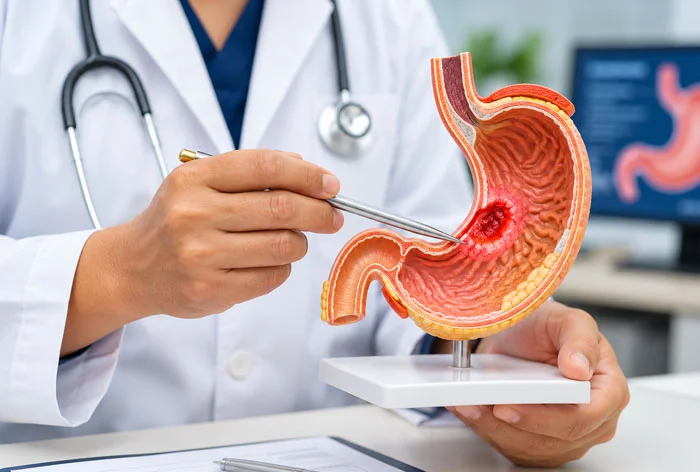
Symptoms can vary depending on the location and stage of the cancer. Common symptoms may include:
- Persistent Indigestion: Recurrent discomfort, acidity, or indigestion that does not improve.
- Upper Abdominal Pain: Persistent pain or discomfort in the upper abdomen.
- Loss of Appetite: Reduced interest in food or feeling full quickly.
- Unexplained Weight Loss: Losing weight without changes in diet or exercise.
- Nausea or Vomiting: Persistent nausea or repeated vomiting.
- Difficulty Swallowing: Difficulty swallowing may occur when the tumour affects the upper stomach or nearby structures.
- Fatigue: Persistent tiredness may occur, particularly with blood loss or advanced disease.
- Blood in Stool or Vomit: Bleeding from the stomach may result in black stools or vomiting blood.
Risk Factors
Several factors may increase the risk of developing gastric cancer.
- H. pylori Infection: Long-term infection with Helicobacter pylori can increase the risk of stomach cancer.
- Chronic Gastritis: Long-standing inflammation of the stomach lining may increase risk.
- Family History: A family history of gastric cancer or certain inherited conditions may increase risk.
- Smoking: Tobacco use is associated with an increased risk of gastric cancer.
- Dietary Factors: Diets high in heavily salted, smoked, or preserved foods may contribute to risk.
- Previous Stomach Conditions: Certain gastric conditions and previous stomach surgery may be associated with increased risk.
Types of Gastric Cancer
Gastric cancers can develop from different types of cells within the stomach. The most common type is adenocarcinoma, which develops from the glandular cells lining the stomach.
- Gastric Adenocarcinoma: The most common type of stomach cancer.
- Gastrointestinal Stromal Tumour (GIST): A tumour that develops from specialized cells in the digestive tract.
- Gastric Lymphoma: A type of cancer involving lymphatic tissue in the stomach.
- Neuroendocrine Tumours: Tumours that develop from neuroendocrine cells and may occur in the stomach.
Diagnosis
Early and accurate diagnosis is important for determining the appropriate treatment. Evaluation may include:
- Upper GI Endoscopy: A flexible camera is used to examine the lining of the stomach.
- Biopsy: Small tissue samples may be taken during endoscopy and examined under a microscope.
- CT Scan: Imaging may help assess the size of the tumour and whether it has spread.
- Endoscopic Ultrasound: This may help determine how deeply a tumour has grown into the stomach wall.
- Additional Imaging: PET scans or other investigations may be recommended in selected cases for staging.
Staging of Gastric Cancer
Staging helps determine the extent of the cancer and guides treatment planning. Doctors consider how deeply the tumour has invaded the stomach wall, whether nearby lymph nodes are involved, and whether the cancer has spread to distant organs.
Treatment
Treatment depends on the type, location, stage, and overall condition of the patient. Management may involve one or more approaches.
- Endoscopic Treatment: Selected early-stage cancers may be treated using advanced endoscopic techniques.
- Surgery: Surgical removal of part or all of the stomach may be recommended depending on the location and extent of the tumour.
- Chemotherapy: Medicines may be used before or after surgery or for advanced disease.
- Radiation Therapy: Radiation may be used in selected cases as part of cancer treatment.
- Targeted Therapy: Certain cancers with specific molecular characteristics may benefit from targeted medicines.
- Immunotherapy: Selected patients may benefit from medicines that help the immune system recognize and attack cancer cells.
Possible Complications
Advanced gastric cancer may cause complications such as bleeding, blockage of the stomach or digestive tract, anemia, difficulty eating, weight loss, and spread of cancer to other organs.
Why Early Diagnosis Matters?
Gastric cancer may have few symptoms during its early stages. Persistent digestive symptoms should not always be assumed to be simple acidity or indigestion. Timely evaluation, particularly when symptoms persist or worsen, can help identify serious conditions at an earlier stage.
When to Consult a Specialist?
Consult a gastroenterologist if you experience persistent indigestion, recurrent upper abdominal pain, unexplained weight loss, difficulty swallowing, repeated vomiting, loss of appetite, black stools, or vomiting blood.
Early evaluation and appropriate diagnosis can help determine the condition and guide timely treatment.