- Home
- Know Your Consultant
- Our Specialisations
-
Diseases We Treat
- Endoscopy and Other Procedures We Do
- Upper GI tract endoscopy
- Colonoscopy
- Sigmoidoscopy
- Management of gastrointestinal bleeds – variceal banding, sclerotherapy, dennis stents, hemoclips placement, Argon plasma coagulation
- Stricture dilatation
- Fistula closure
- Esophageal stenting for malignancies
- Achalasia cardia dilatation
- Colonic decompression
- Endosonography (EUS)
Diagnostic procedureFine needle aspiration cytology or biopsies- Third space endoscopy
- Motility
High resolution esophageal manometry forAnorectal manometry for- Blog
- Home
- Know Your Consultant
- Our Specialisations
- Diseases We Treat
- Gastroesophageal reflux disease
- Dysphagia
- Esophageal varices
- Cancers
- Corrosive ingestion
- Esophageal stricture
- Achalasia cardia
- Noncardiac chest pain
- Fistulae
- Dysmotility
- Postoperative issues
- Eosinophilic esophagitis
- Foreign body ingestion
- Dyspepsia
- Peptic ulcer disease
- Gastric cancers
- Bleeding
- Gastroparesis
- Altered anatomy-related issues
- Postoperative issues
- Foreign body ingestion
- Acute and chronic diarrhea
- Inflammatory bowel diseases
- Intestinal obstruction
- Malabsorption
- Irritable bowel syndrome
- Intestinal cancers
- Intestinal bleed
- Constipation – difficult to treat
- Constipation – difficult to treat
- Incontinence
- Anorectal/ defecatory disorders which need Anorectal evaluation
- Solitary rectal ulcer syndrome
- Acute and chronic pancreatitis
- Recurrent acute pancreatitis
- Pancreatic malignancies
- Pancreatic space-occupying lesions or cysts
- Autoimmune pancreatitis
- Gallstone diseases
- CBD stones/strictures / malignancies
- Post-operative issues
- Intra-abdominal masses evaluation
- Mesenteric diseases
- Ascites cirrhotic and non-cirrhotic
- Gastro-intestinal and liver disease as part of other systemic diseases
- Retroviral other immunity related gastrointestinal and liver issues
- Jaundice for evaluation
- Vascular diseases of the liver
- Liver malignancies
- Any space-occupying lesion
- Evaluation for transplant
- Acute liver failure
- Hepatitis/cirrhosis
- Viral
- Alcoholic
- Wilson
- Autoimmune
- NAFLD
- Others and Cryptogenic
- Endoscopy and Other Procedures We Do
- Upper GI tract endoscopy
- Colonoscopy
- Sigmoidoscopy
- Management of gastrointestinal bleeds – variceal banding, sclerotherapy, dennis stents, hemoclips placement, Argon plasma coagulation
- Stricture dilatation
- Fistula closure
- Esophageal stenting for malignancies
- Achalasia cardia dilatation
- Colonic decompression
- PEG –Percutaneous endoscopic gastrostomy tube placement
- Colonic stricture dilatation and colonic stent placement
- ERCP
- Bile duct and pancreatic stones
- Bile duct and pancreatic leaks
- Bile duct and pancreatic strictures
- Pancreato-biliary cancers
- Spiral enteroscopy
- Cholangio-pancreatoscopy
- Endosonography (EUS)
Diagnostic procedure- For pancreato-biliary diseases
- Superficial cancers staging
- Submucosal lesions assessment
- Submucosal lesions assessment
Fine needle aspiration cytology or biopsies- Pancreatic malignancies
- Cystic lesions in pancreas
- Biliary or other malignancies
- Intrabdominal/intra-thoracic lymphadenopathy
Therapeutic EUS- EUS guided pseudocysts drainage
- EUS guided celiac plexus neurolysis/celiac block
- EUS guided biliary drainage
- EUS guided vascular interventions
- EUS guided gastro-jejunostomy
- Third space endoscopy
- Per-oral endoscopic myotomy
- Endoscopic submucosal dissection
- Endoscopic full thickness resection
- Motility
High resolution esophageal manometry for- Dysmotility
- Achalasia cardia
- Preoperative before Fundoplication
Anorectal manometry for- Defecatory disorders
- Anorectal dyssynergia
- Biofeedback therapy for Anorectal disorders
- Blog
- Endoscopy and Other Procedures We Do
Acute Liver Failure
Acute Liver Failure
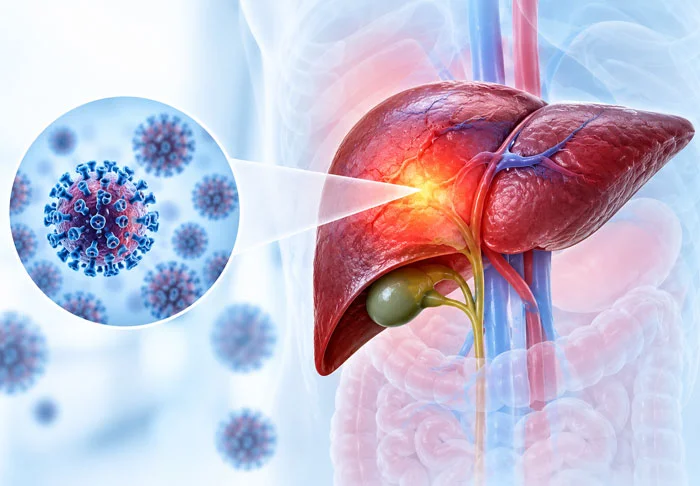
Acute liver failure is a serious condition in which the liver rapidly loses its ability to perform essential functions in a person who may not have had significant pre-existing liver disease.
It can develop over a short period and may affect blood clotting, brain function, metabolism, and other organs. Early recognition and urgent specialist care are important because the condition can progress rapidly.
Common Causes
- Drug-Related Liver Injury: Certain medicines or excessive doses of some drugs can cause severe liver damage.
- Viral Hepatitis: Certain viral infections can cause significant acute liver inflammation.
- Toxins: Exposure to certain toxic substances or poisonous mushrooms may injure the liver.
- Autoimmune Hepatitis: An immune system reaction against liver cells can occasionally cause severe acute liver injury.
- Other Causes: Vascular, metabolic, genetic, or other less common conditions may also result in acute liver failure.
Symptoms
- Jaundice: Yellowing of the skin and eyes.
- Nausea and Vomiting: Digestive symptoms may develop with acute liver injury.
- Abdominal Pain: Discomfort, particularly in the upper abdomen.
- Confusion or Drowsiness: Changes in brain function may occur due to hepatic encephalopathy.
- Easy Bruising or Bleeding: Reduced production of clotting proteins can affect blood clotting.
Diagnosis
Diagnosis requires urgent clinical assessment and blood investigations. Tests may include liver function tests, bilirubin, clotting profile, blood counts, kidney function, viral testing, and other cause-specific investigations.
Ultrasound, CT, or MRI may be used to assess the liver and blood vessels. Additional tests may be required to determine the underlying cause.
Treatment
Acute liver failure requires urgent medical management, usually in a hospital setting. Treatment focuses on identifying and treating the underlying cause, supporting liver function, managing complications, and protecting other organs.
Depending on the cause, treatment may include specific antidotes, medicines for certain infections or autoimmune conditions, management of brain swelling and bleeding problems, intensive monitoring, and nutritional or organ support.
Liver Transplantation
For patients with severe liver failure who do not recover with medical treatment, urgent liver transplant evaluation may be required. The transplant team assesses disease severity, overall health, complications, and other factors to determine the appropriate course of treatment.
Possible Complications
Acute liver failure can lead to serious complications including hepatic encephalopathy, abnormal bleeding, low blood sugar, kidney dysfunction, infections, brain swelling, and failure of other organs.
When to Seek Urgent Medical Care?
New-onset jaundice accompanied by confusion, unusual sleepiness, persistent vomiting, bleeding, severe weakness, or significant abdominal symptoms requires urgent medical evaluation. Acute liver failure can progress quickly and should be managed by a specialist team.
- Home
- Know Your Consultant
- Our Specialisations
- Diseases We Treat
- Endoscopy and Other Procedures We Do
- Upper GI tract endoscopy
- Colonoscopy
- Sigmoidoscopy
- Management of gastrointestinal bleeds
- Stricture dilatation
- Fistula closure
- Esophageal stenting for malignancies
- Achalasia cardia dilatation
- Colonic decompression
- PEG
- Colonic stricture dilatation and colonic stent placement
- Endo-sonography (EUS)
- Therapeutic EUS
- Third space endoscopy
- Motility
- Blog